
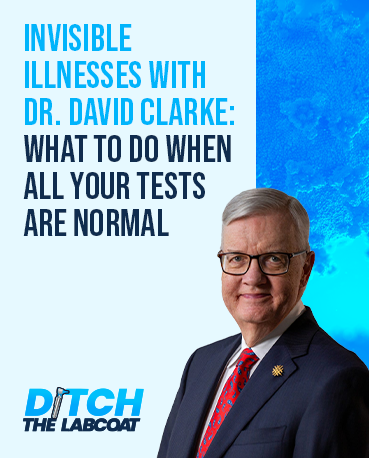
Your tests came back normal.
That should be good news. But if you’re still in pain, still exhausted, still dealing with symptoms that are ruining your life, “normal tests” doesn’t feel like relief. It feels like abandonment.
After my conversation with Dr. David Clarke on neuroplastic symptoms, I got flooded with messages from people asking: okay, so what do I actually do now? Where do I start? What apps work? What books help? How do I find a doctor who gets this?
So here it is. Everything we talked about, turned into tools you can actually use.
1. Understanding Neuroplastic Symptoms
What are they? Neuroplastic symptoms are real, physical symptoms generated by the brain in response to stress, trauma, or unresolved emotional burdens. They’re not imaginary. Your brain has physically changed, and it’s creating symptoms in your body.
Common neuroplastic conditions:
- Chronic back/neck pain
- Migraines and tension headaches
- Irritable bowel syndrome (IBS)
- Fibromyalgia
- Chronic fatigue syndrome
- Pelvic pain
- Dizziness and vertigo
- Tinnitus (ringing in ears)
- Functional constipation or diarrhea
- Eczema and other skin conditions
- Symptoms attributed to long COVID or chronic Lyme
The key pattern: Multiple unexplained symptoms at the same time, normal medical tests, and treatments that don’t work.
Resource:
Association for the Treatment of Neuroplastic Symptoms
Pain Reprocessing Therapy Center
2. The Two-Week Symptom Pattern Log
Dr. Clarke emphasized that patterns matter more than intensity. When do your symptoms flare? What’s happening in your life at those times?
How to track:
Keep a simple log for two weeks. Each time symptoms worsen, note:
- Time and situation (driving to work, after a phone call with your mother, Sunday evenings, etc.)
- What was happening emotionally (anxious, angry, numb, rushing, etc.)
- What you were anticipating (difficult meeting, family obligation, deadline)
- What you were avoiding (conversation, decision, confrontation)
You’re not trying to “prove it’s stress.” You’re trying to learn the pattern your nervous system is showing you.
3. Evidence-Based Apps for Neuroplastic Symptoms
These apps use pain reprocessing therapy, cognitive behavioral therapy, and somatic tracking to help reduce symptoms:
Nervana – Chronic pain and neuroplastic symptoms
Curable – General chronic pain management
4. Self-Help Books
Recommended by Dr. Clarke:
- The Way Out by Alan Gordon (focuses on pain reprocessing therapy)
- Unlearn Your Pain by Dr. Howard Schubiner
- They Can’t Find Anything Wrong by Dr. David Clarke (his own book on neuroplastic symptoms)
- The Mindbody Prescription by Dr. John Sarno (the foundational text)
Where to buy:
Available on Amazon, Barnes & Noble, or your local bookstore
5. Find a Trained Provider
If you want to work with a clinician who understands neuroplastic symptoms:
This directory lists doctors, therapists, and mental health professionals who have trained in neuroplastic symptom treatment.
6. The “Joy Prescription”
Dr. Clarke’s advice for people who care for everyone else but never put themselves on the list:
Carve out regular time for joy with no purpose other than joy.
Not productivity disguised as self-care. Not errands. Not “I’ll relax by catching up on emails.”
Actual play. The moral equivalent of finger paints for a four-year-old. No outcome. No score. No optimization.
Examples:
- Drawing or coloring with no goal
- Dancing in your kitchen
- Playing music badly
- Building something with your hands
- Walking with no destination
- Playing a game with no stakes
If this sounds ridiculous or impossible, that’s probably a sign you need it most.
7. When to Seek Professional Help
You should work with a trauma-informed therapist if:
- You’ve identified adverse childhood experiences (ACEs) that may be contributing
- Symptoms are severe and interfering with daily life
- You’ve tried self-help approaches and aren’t seeing improvement
- You recognize patterns but don’t know how to address them alone
Finding a trauma-informed therapist:
Psychology Today – Find a Therapist
(Filter by specialty: trauma, somatic therapy, chronic pain, or mind-body)
EMDR International Association – Find a Therapist
(EMDR is effective for trauma processing)
8. Upcoming Conference
Dr. Clarke’s nonprofit hosts an annual conference on neuroplastic symptoms with research updates, patient stories, and clinical training:
Event: Association for the Treatment of Neuroplastic Symptoms Annual Conference
Date: October 15-17, 2026
Location: Dallas, Texas
Details: ATNS 2026
9. When Normal Tests Should Open a New Door
If your doctor says “all your tests are normal”:
This is NOT dismissal. This is actually good news. It means:
- No evidence of dangerous progressive disease
- No structural damage requiring surgery
- Your body is okay
What to ask next: “Could this be a neuroplastic condition? Can we explore stress, trauma, or nervous system patterns that might be contributing?”
If your doctor isn’t familiar with this, you can direct them to:
Symptomatic.me – For Clinicians
10. The Chronological Link Question
Dr. Clarke’s key diagnostic tool: When did your symptoms begin, and what was happening in your life at that time?
Often, there’s a clear temporal link between a stressful event (job change, relationship conflict, loss, trauma) and symptom onset. But patients don’t always make the connection because:
- The stressor seemed “normal” or manageable
- They were “handling it fine”
- They didn’t think it was “bad enough” to cause physical symptoms
The nervous system disagrees.
11. The Childhood Reframe Question
If you suspect adverse childhood experiences (ACEs) are contributing but you’ve always minimized them:
Ask yourself: “Would I want my own child to grow up exactly as I did, even for just one week?”
If the answer is no, that’s data. Your childhood affected you more than you’ve allowed yourself to recognize.
Final Takeaway
Normal tests are information, not a verdict. They don’t mean “nothing is wrong.” They mean “we didn’t find structural damage, and now we can look at the nervous system.”
Your symptoms are real. Your brain has physically changed. And neuroplastic circuits can change back, which means you can get better.